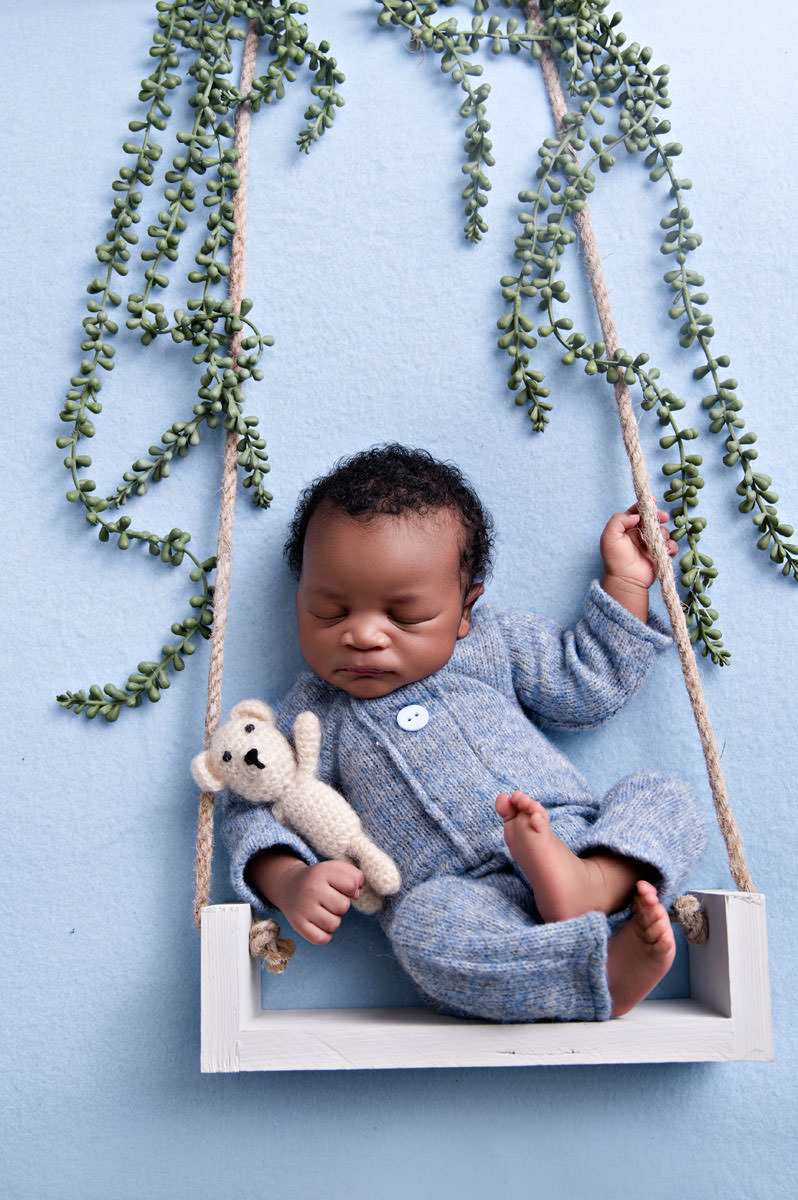



The first days and weeks after birth can feel confusing. One moment you feel deeply in love with your baby, and the next you feel overwhelmed, tearful, or unsure of yourself. Many moms quietly ask the same question: Is this normal, or is something wrong?
Understanding baby blues vs postpartum depression can help you feel less alone and more supported. These two experiences share similarities, but they are not the same. Knowing the difference matters, because help looks different for each one.
As a Pretoria newborn photographer, I meet many moms in those early, emotional weeks. I often hear the same worries whispered during quiet moments: “I thought I’d feel happier than this.” If that’s you, this post is for you.
What are the baby blues?
The baby blues are very common and very real. They usually begin a few days after birth and affect many new moms, even those with strong support systems.
Baby blues often happen because your body goes through sudden hormonal changes after delivery. Sleep deprivation, physical recovery, and the responsibility of caring for a newborn all add to this emotional load.
Common baby blues symptoms
Many moms experience:
-
Tearfulness for no clear reason
-
Mood swings
-
Feeling anxious or overwhelmed
-
Trouble sleeping, even when the baby sleeps
-
Feeling emotionally sensitive
These feelings can feel intense, but they usually improve on their own.
How long do the baby blues last?
The baby blues typically:
-
Start within the first week after birth
-
Peak around day 3 to 5
-
Fade within two weeks
If your emotions slowly lift and you begin to feel more like yourself again, you are likely experiencing the baby blues.

What is postpartum depression (PPD)?
Postpartum depression is different. It lasts longer, feels heavier, and does not simply pass with time or rest. Many moms feel guilty for struggling, but postpartum depression is not a personal failure. It is a medical and emotional condition that deserves care.
When people ask what is PPD, the simplest answer is this: it is depression after giving birth that affects how you feel, think, and cope day to day.
Signs of postpartum depression
Postpartum depression may include:
-
Ongoing sadness or numbness
-
Feeling disconnected from your baby
-
Intense guilt or shame
-
Anxiety or panic
-
Feeling hopeless or trapped
-
Loss of interest in things you once enjoyed
Some moms also experience postnatal depression and anxiety together, which can feel frightening but is treatable.
Baby blues vs postpartum depression: key differences
Understanding baby blues vs postpartum depression comes down to three main factors: timing, intensity, and duration.
Timing
-
Baby blues begin shortly after birth
-
Postpartum depression may start weeks or even months later
Intensity
-
Baby blues feel emotional but manageable
-
Postpartum depression feels overwhelming and heavy
Duration
-
Baby blues fade within two weeks
-
Postpartum depression lasts longer and often worsens without support
If you notice that your feelings are not improving, that matters.
How common is postpartum depression?
Many moms quietly wonder if they are alone. They are not.
Research shows that postpartum depression affects a significant number of mothers worldwide. Knowing how common postpartum depression is can help remove shame. This is not rare, and you are not weak for struggling.
Every mom’s experience looks different. Some bond instantly but still feel depressed. Others feel anxious more than sad. All of these experiences are valid.
What causes postpartum depression?
There is no single cause. When people ask what causes postpartum depression, the answer is often a combination of factors.
These can include:
-
Hormonal changes after birth
-
Physical recovery from pregnancy and delivery
-
Sleep deprivation
-
Emotional stress or trauma
-
Lack of support
-
Previous mental health challenges
None of these mean you are doing anything wrong.
How long does postnatal depression last?
One of the most searched questions is how long does postnatal depression last. The honest answer is: it varies.
With the right support, many moms feel relief within months. Without support, symptoms can last much longer. Early help makes a real difference.
You deserve to feel better, not just survive.

When should you seek help?
Please reach out for help if:
-
Your feelings last longer than two weeks
-
You feel unable to cope day to day
-
You feel disconnected from your baby
-
You have thoughts of harming yourself
Seeking help is a sign of strength, not failure.
In South Africa, support can include:
-
Your GP or clinic sister
-
A psychologist or counsellor
-
Postnatal support organisations
-
Trusted family or friends
You do not have to explain everything perfectly to deserve support.
A gentle note from one mom to another
If you are reading this and feeling emotional, please know this: you are not broken. Motherhood is a huge transition. Some moms glow. Others struggle quietly. Both are real.
As someone who works closely with new families in Pretoria, I have seen how powerful support and understanding can be. Healing does not mean you love your baby any less. It means you are taking care of yourself too.
If you’re preparing for those early weeks, you may also find comfort in reading my newborn guidance here: For more tips and booking info, explore my Newborn Photoshoot Pretoria page.
Final thoughts on baby blues vs postpartum depression
Understanding baby blues vs postpartum depression can help you recognise when to be patient with yourself and when to reach out. Both experiences are valid. Only one requires professional support, and getting that support can change everything.
You are allowed to ask for help. You are allowed to rest. And you are allowed to feel what you feel.
If you’d love gentle, calm newborn photos taken in a supportive environment, I’d be honoured to photograph your family when you’re ready.